




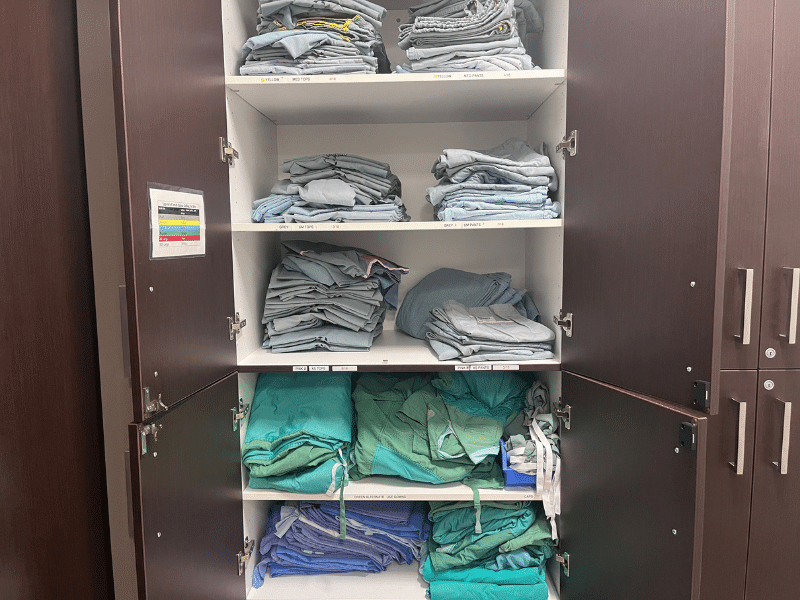
This cabinet stores the laundered attire and protective gowns worn by everyone entering MDRD. Along with a bouffant cap, shoe covers and face mask, this protective apparel helps ensure a safe environment for reprocessing medical equipment.
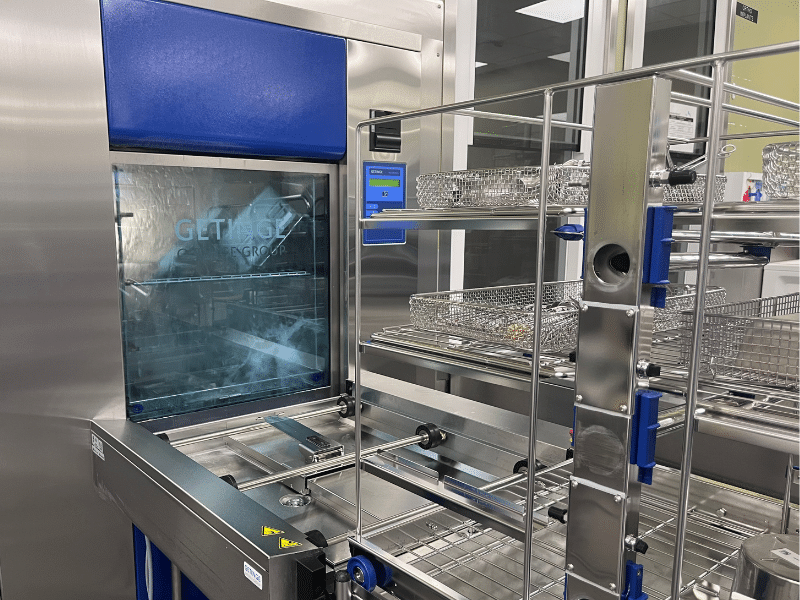
Think of these as industrial-strength dishwashers for medical equipment. In about 35 minutes, they clean and thermally disinfect instruments, preparing them for inspection and sterilization.
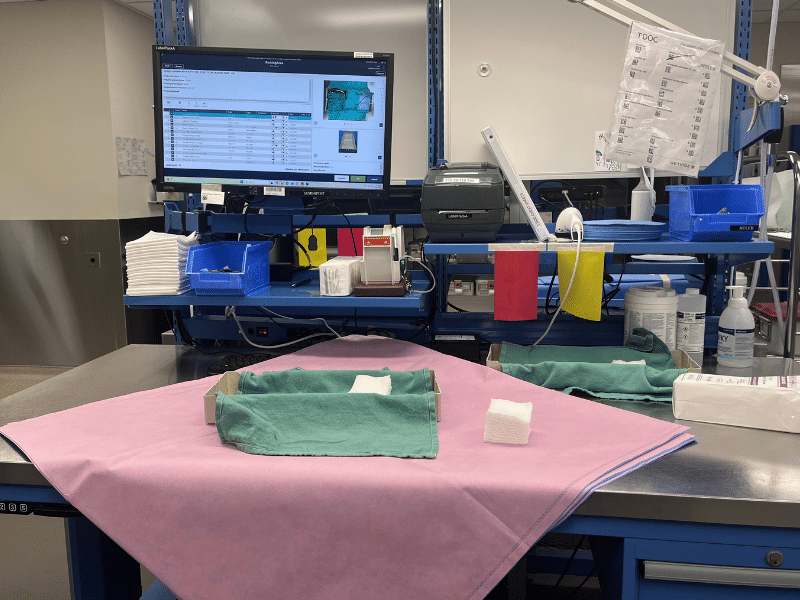
This is an Assembly workstation. Guided by a computerized checklist, team members gather and verify every instrument needed for a procedure, helping ensure clinicians have the right tools at the right time.
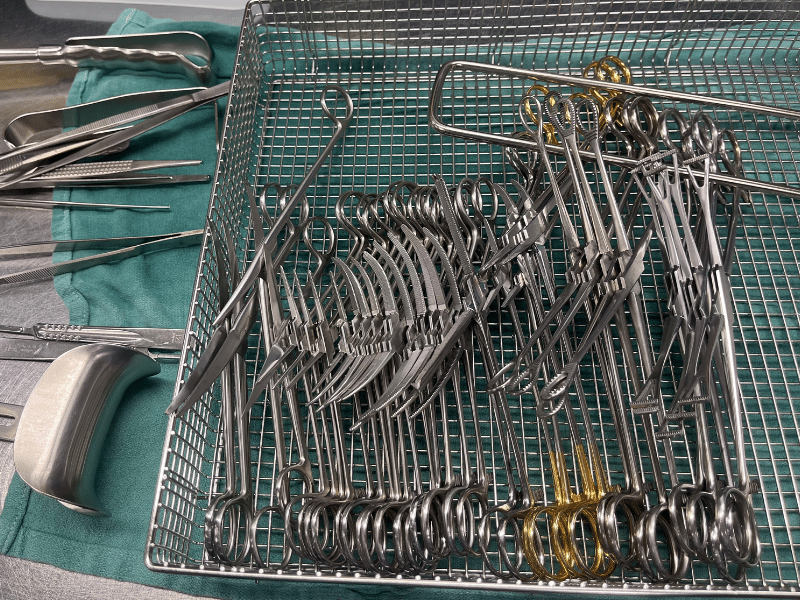
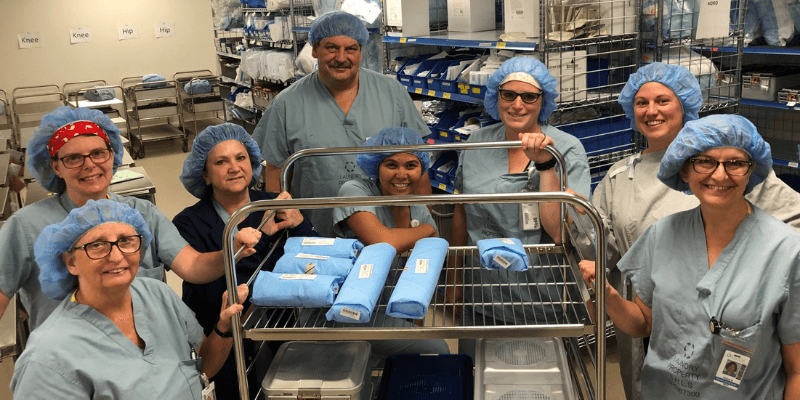
These are some of the many instruments used in procedures and surgeries throughout the hospital. Each one follows a rigorous cleaning, inspection and sterilization process before being returned for use.
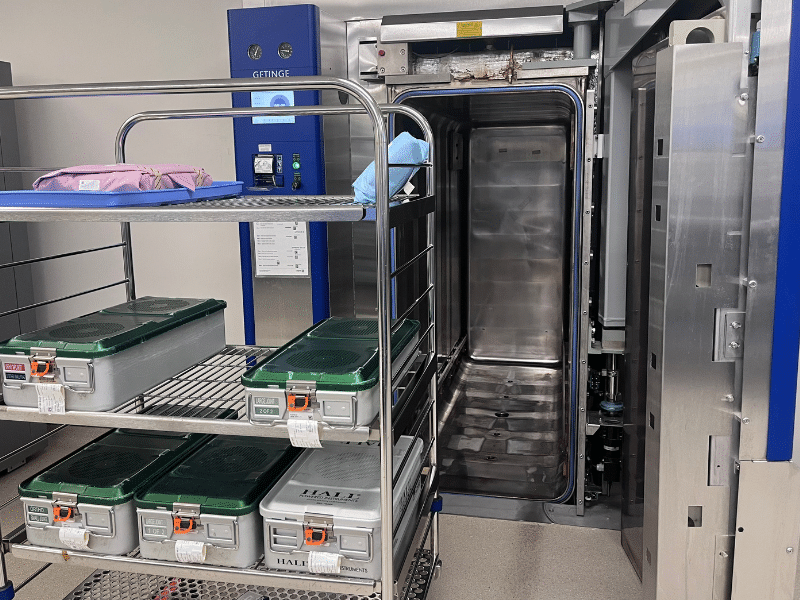
Once instruments have been cleaned, inspected and properly packaged, they are sterilized in this Autoclave. The process uses high-pressure steam to ensure instruments are safe and ready for use in patient procedures.
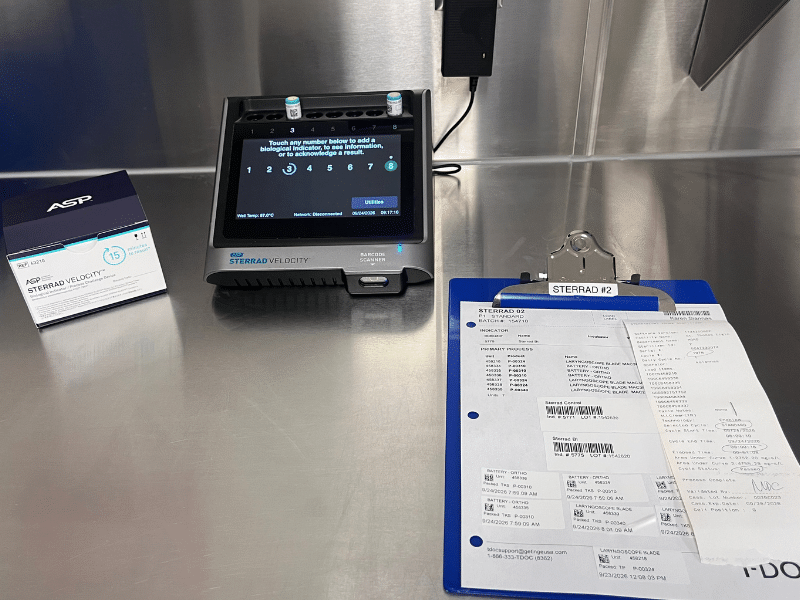
Every step of the reprocessing journey is carefully documented. At this station, staff perform tests and record important information to confirm instruments and equipment are functioning properly and ready for use.
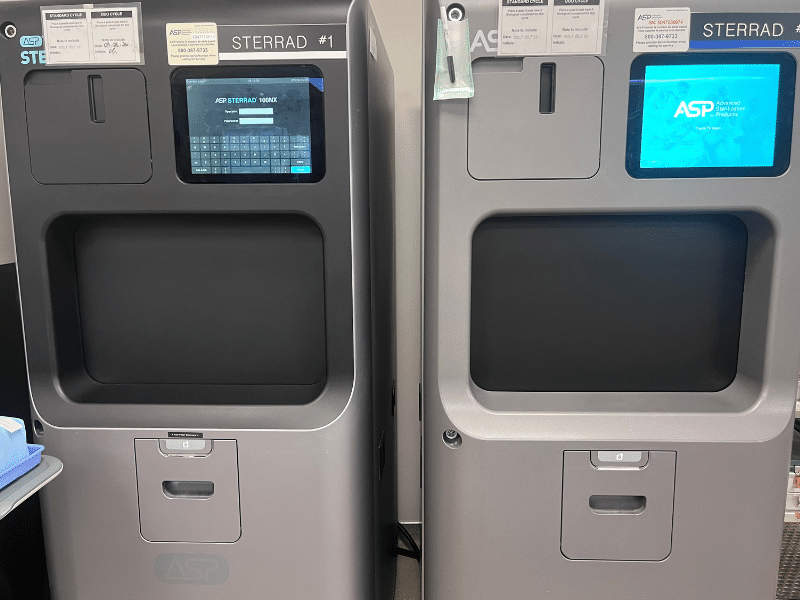
Some medical devices are too delicate for traditional steam sterilization. These machines use a low-temperature process to safely sterilize sensitive instruments while maintaining their performance and reliability.
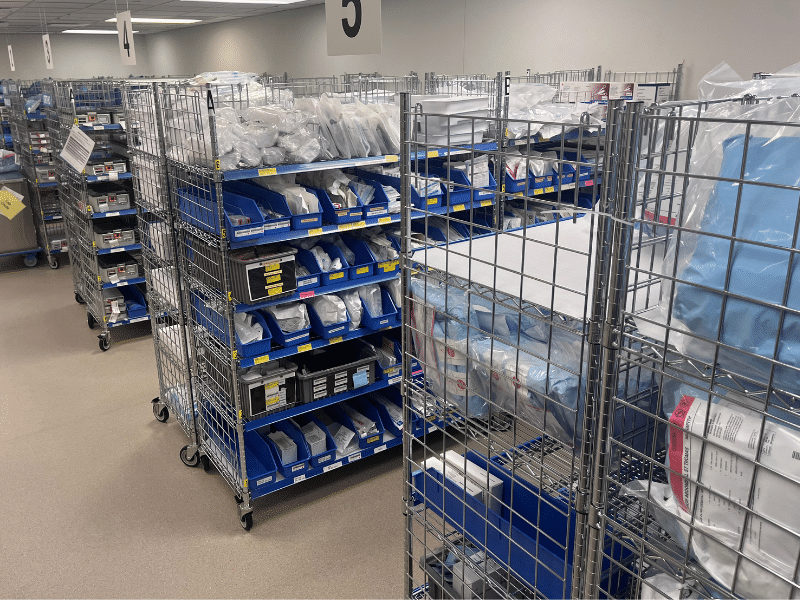
This storage area contains sterilized instruments and supplies ready for use. Inventory is carefully monitored and restocked as needed to support patient care across the hospital.
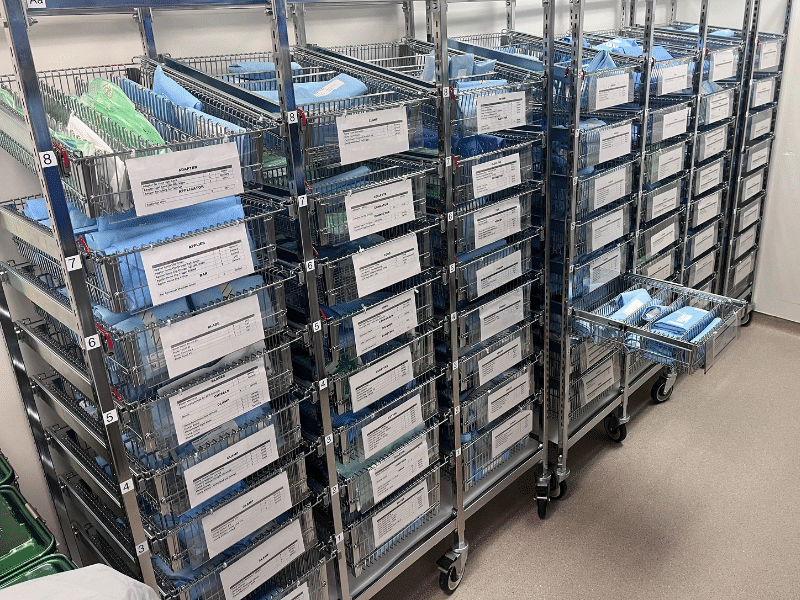
Even the smallest medical items play an important role in patient care. These drawers keep supplies organized, tracked and readily available for use throughout the hospital.
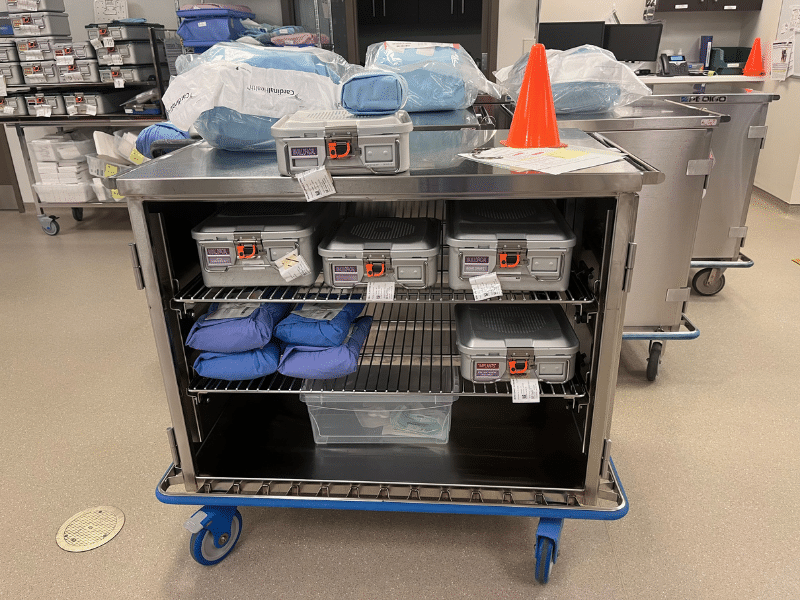
Each case cart is carefully assembled with the instruments and supplies required for a surgical procedure. Preparing these carts accurately helps ensure everything is ready when the patient arrives in the Operating Room.
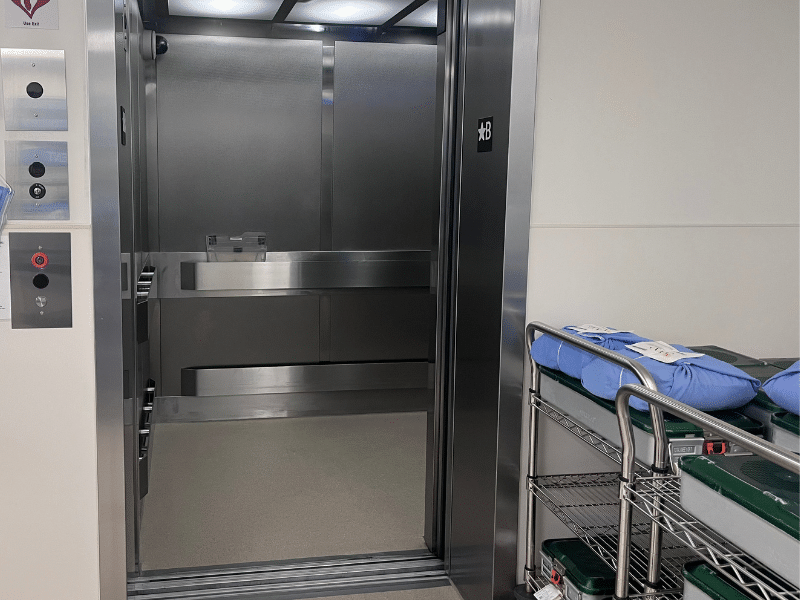
This dedicated elevator provides a direct link between MDRD and the surgical suites. It allows sterilized instruments and supplies to be transported efficiently while helping maintain a controlled environment.
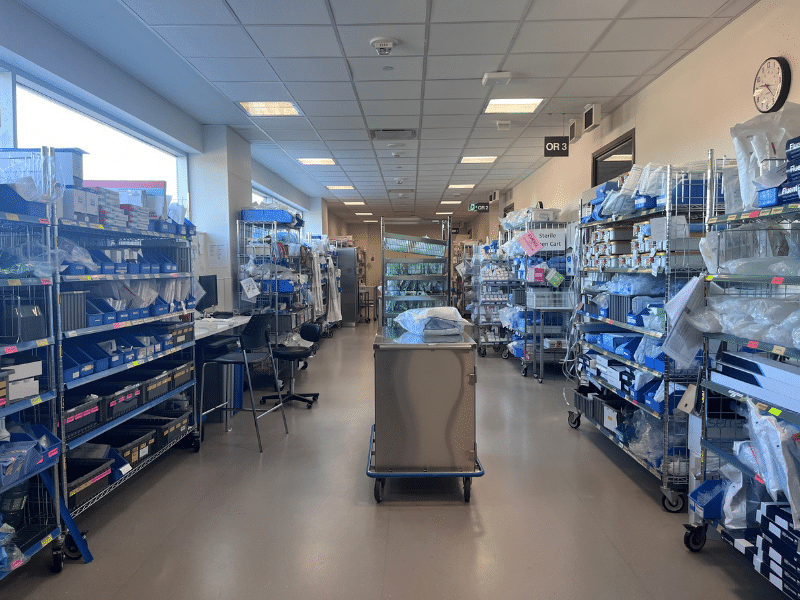
Just one elevator ride away, sterilized instruments arrive in case carts to the OR sterile core.
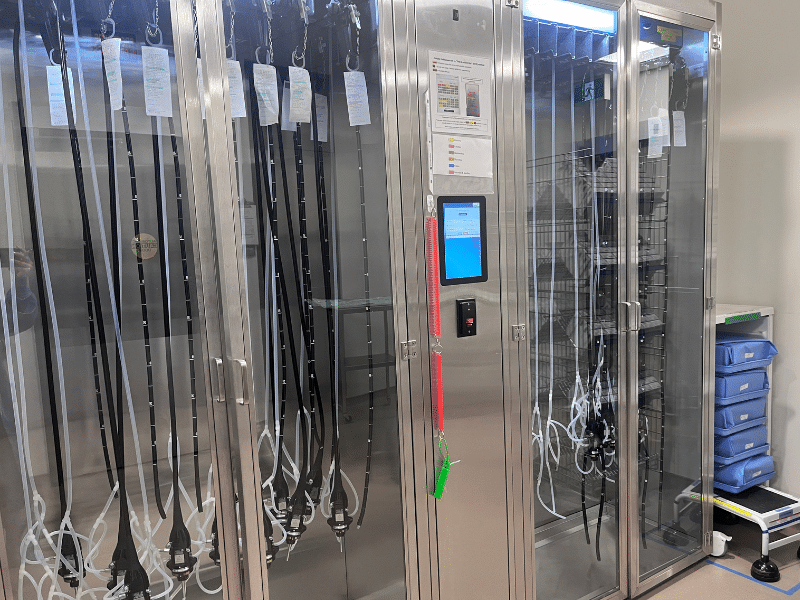
This specialized scope cabinet, located in Surgical Services, securely stores endoscopes. The cabinet helps protect these delicate devices while keeping them organized and ready for patient care.
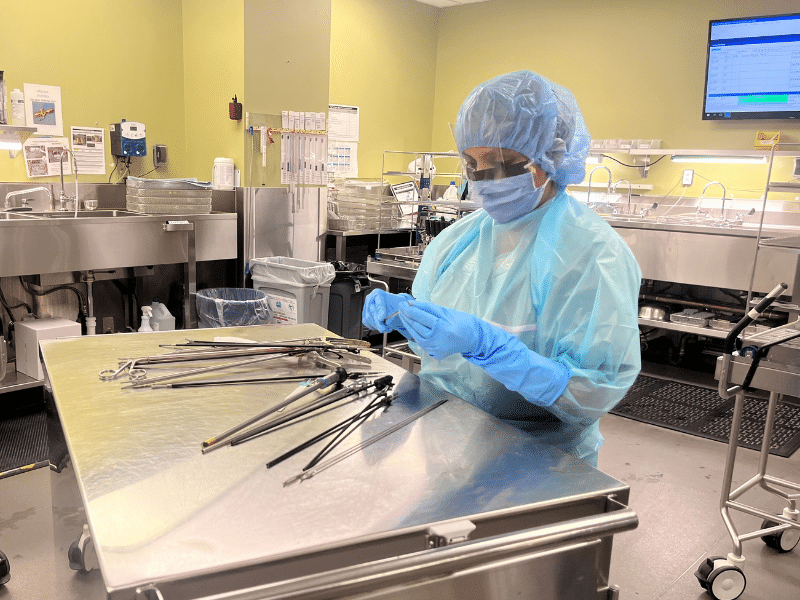
After a procedure or operation, used instruments return to MDRD, where they are carefully sorted, disassembled and prepared for cleaning and disinfection. This is the first step in the reprocessing journey that helps ensure instruments are safe for future patient care.
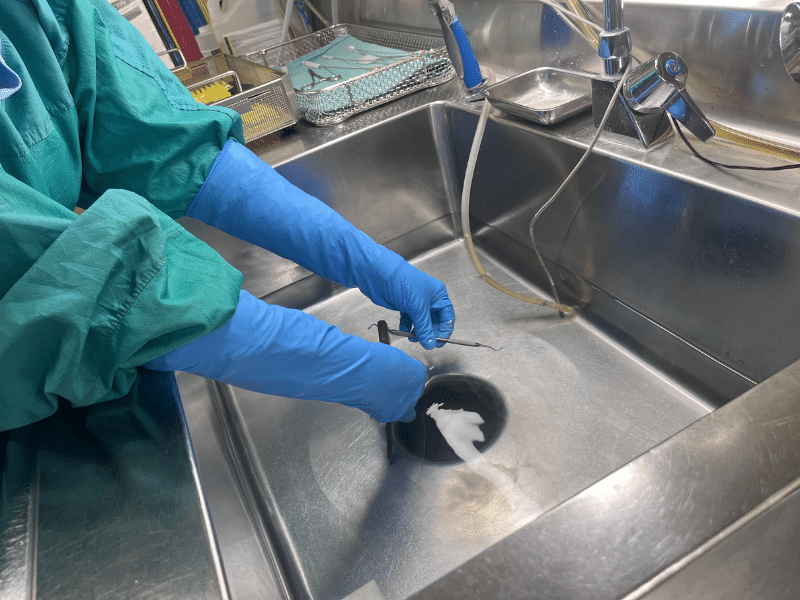
Following sorting and disassembly, every instrument is manually cleaned and brushed. The next step in the process is a cycle in our ultrasonic washer – a process like that used by jewelers to clean jewelry.
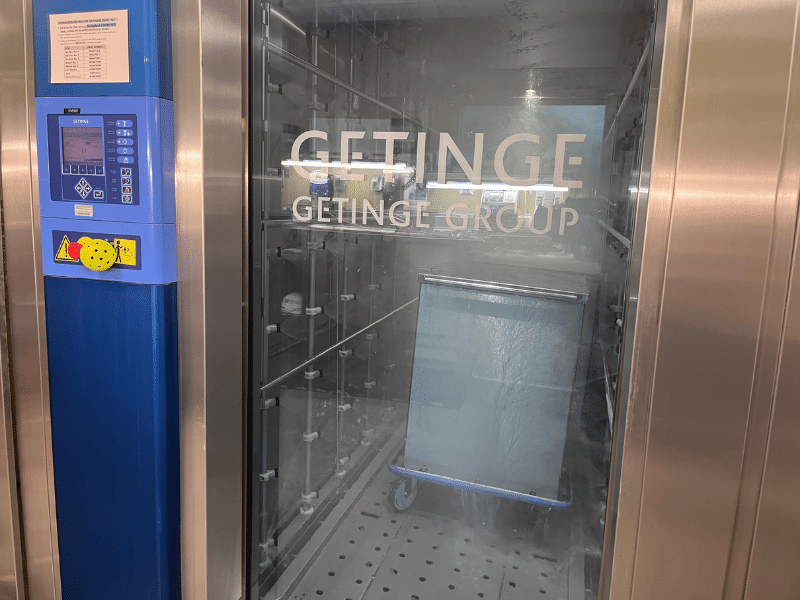
These carts play an important role in moving instruments and supplies throughout the hospital. They must travel through this large washer for cleaning and disinfection prior to their next journey.
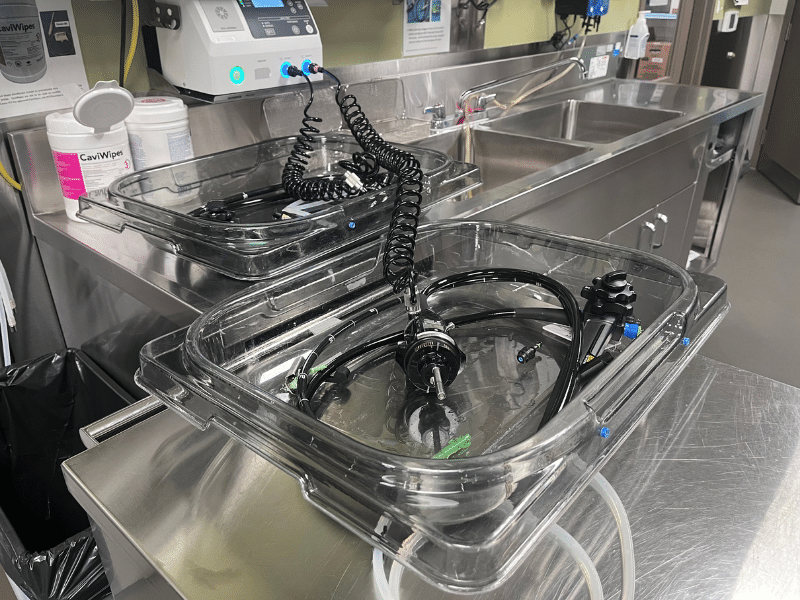
These endoscopes have arrived in MDRD. They are being tested for leaks before exposure to water for manual cleaning. Because they contain delicate channels and components, they require specialized reprocessing to ensure they are safe for patient use.
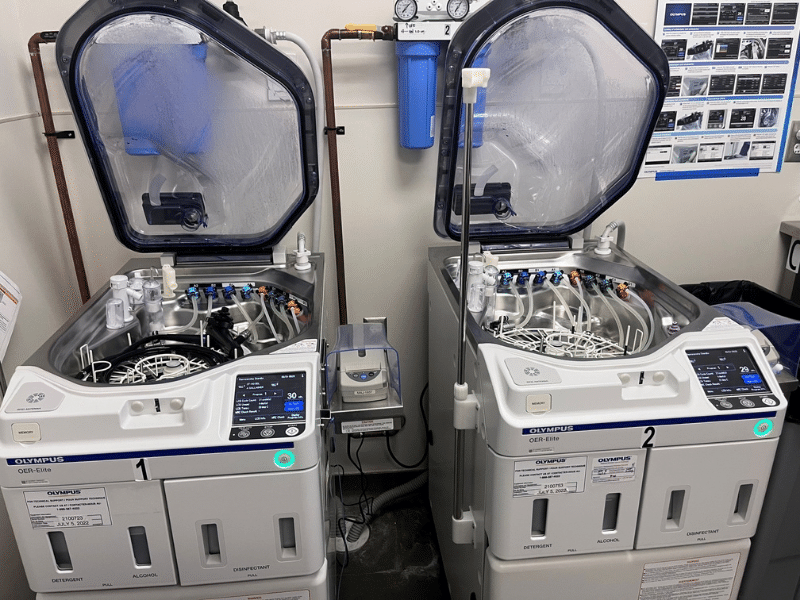
These specialized machines, known as Automated Endoscope Reprocessors, high-level disinfect flexible scopes used in diagnostic and surgical procedures. The automated process helps ensure each scope is safely prepared for its next use.
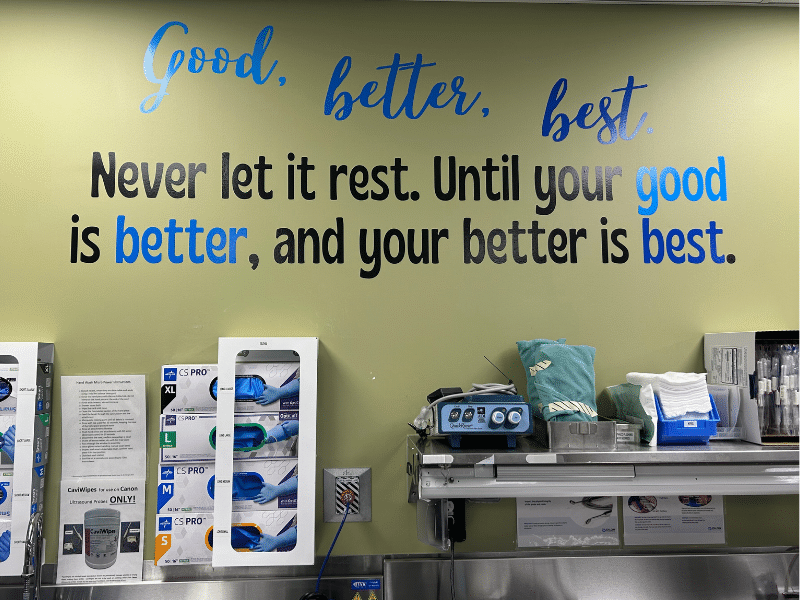
The MDRD team takes great pride in their work and the important role they play in patient care. Inspirational quotes and messages throughout the department help create a positive and supportive work environment.
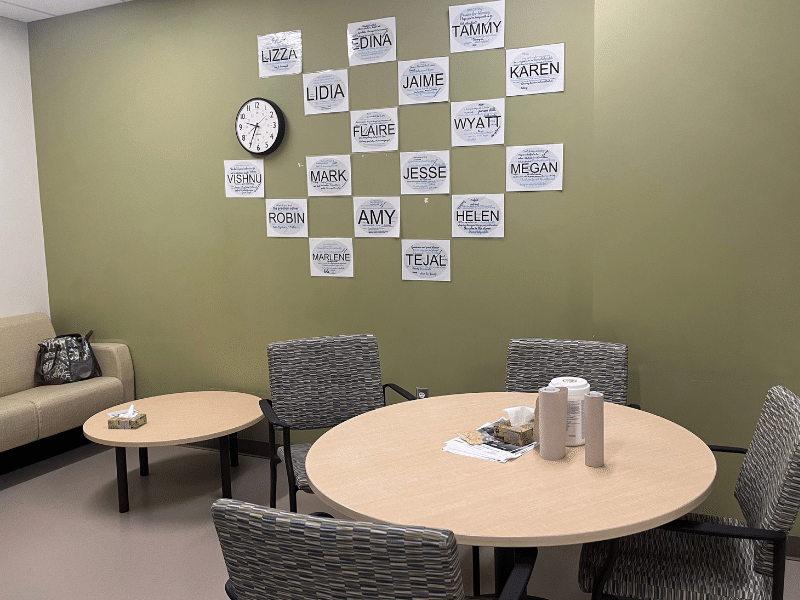
No department is complete without a break room. This space gives MDRD team members a chance to relax, catch up with one another and enjoy a moment away from their busy workday. Positive comments written by peers decorate our walls to remind each team member that they are valued.